Arianee / Battery Pass
Your battery.
Its passport.
Every life.
Deploy your battery passports on open infrastructure. Connect your data, prepare compliance and support every stage of the lifecycle.
18 February 2027EU battery passport requirement · Check your scope ↗01 / Origin
Interactive illustration · Explore each stage
The experience behind your Battery Pass.Arianee deployments across industries
From data to deployment
Your Battery Pass.
Already taking shape.
See how the Arianee platform checks your battery data, field by field, before publication.
From spreadsheet to live passports.
Creating DPPs is easy and plugs into your IT and your data. Start from an Excel or CSV file, or use the API: it’s the same process. In the field, one scan records a service on the passport.
Your passports need data you don’t have.
It sits with your suppliers, and with their suppliers. Each one answers from its own workspace, forwards the question to the next tier and signs its answer. You validate field by field before the data reaches your passports.
Your industry, your reality
Energy moves.
Your data follows.
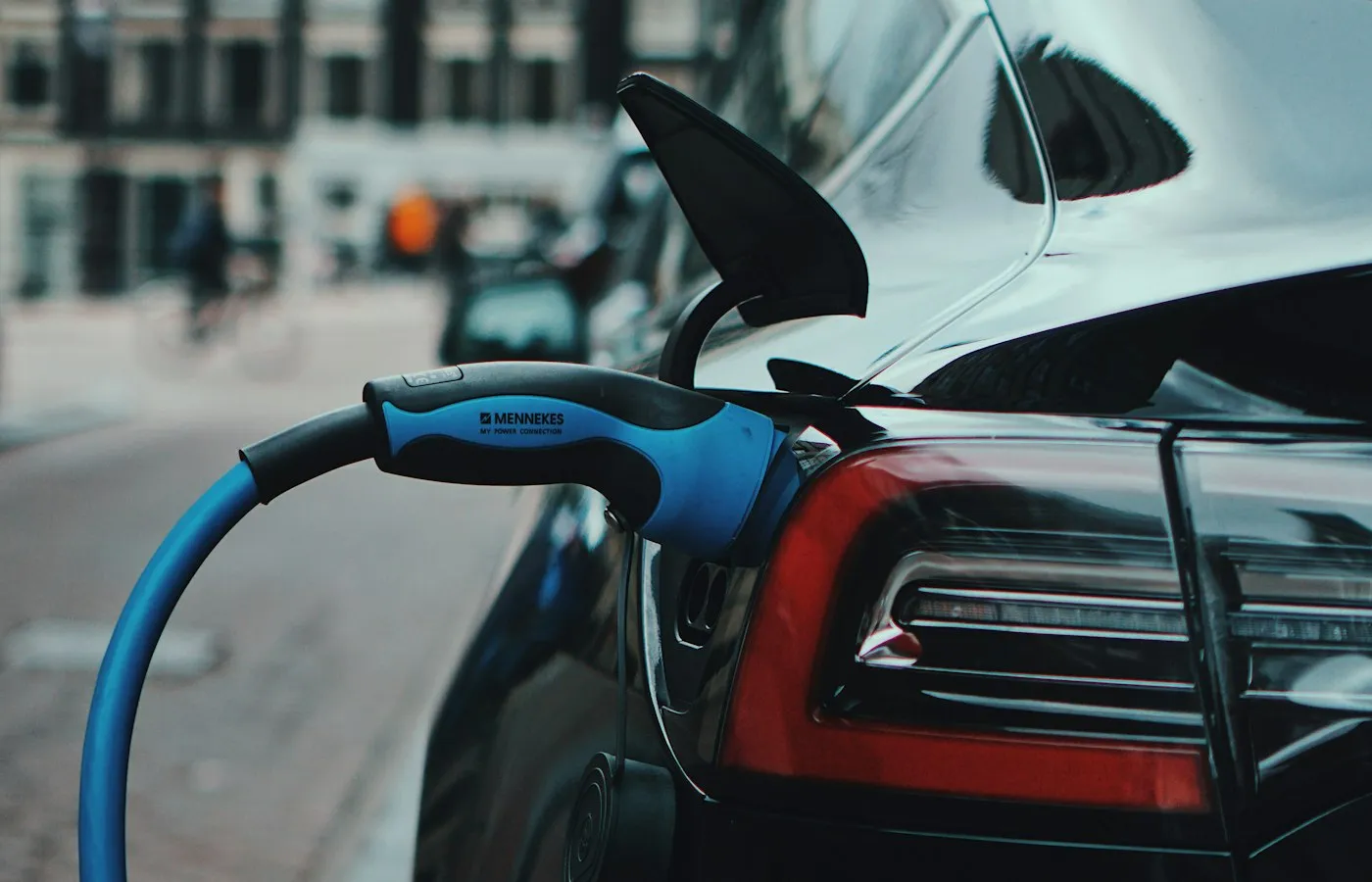
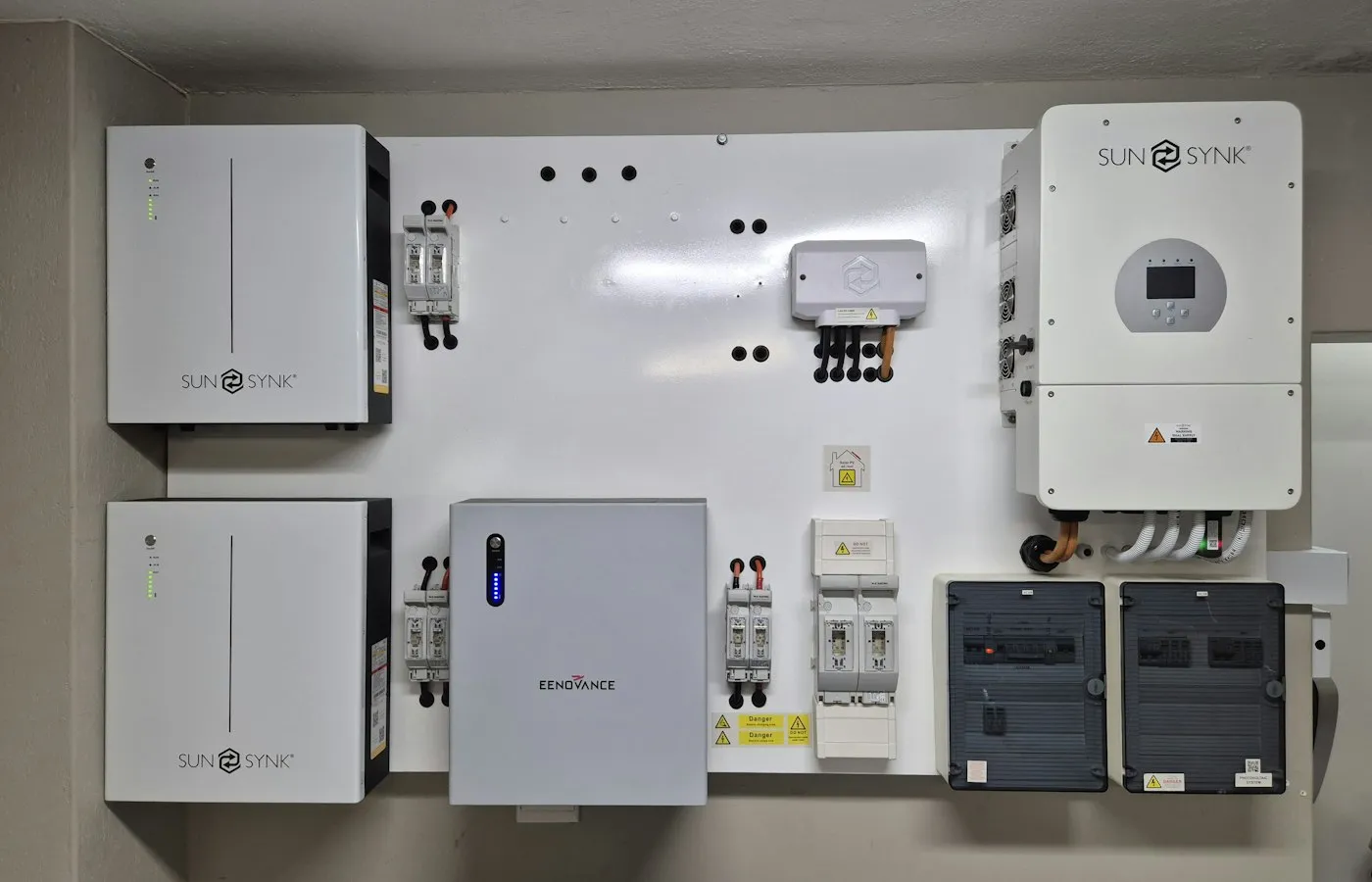
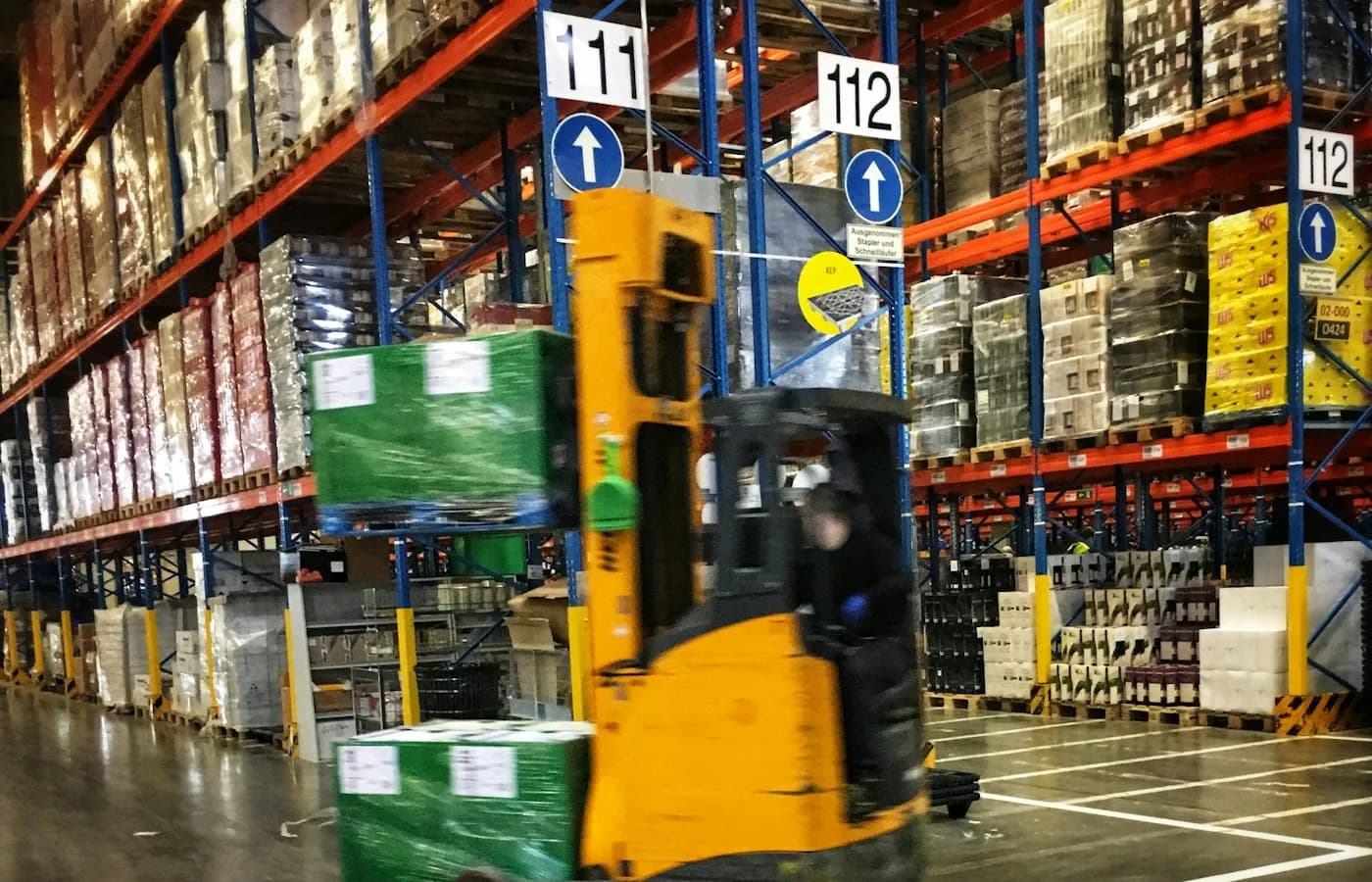
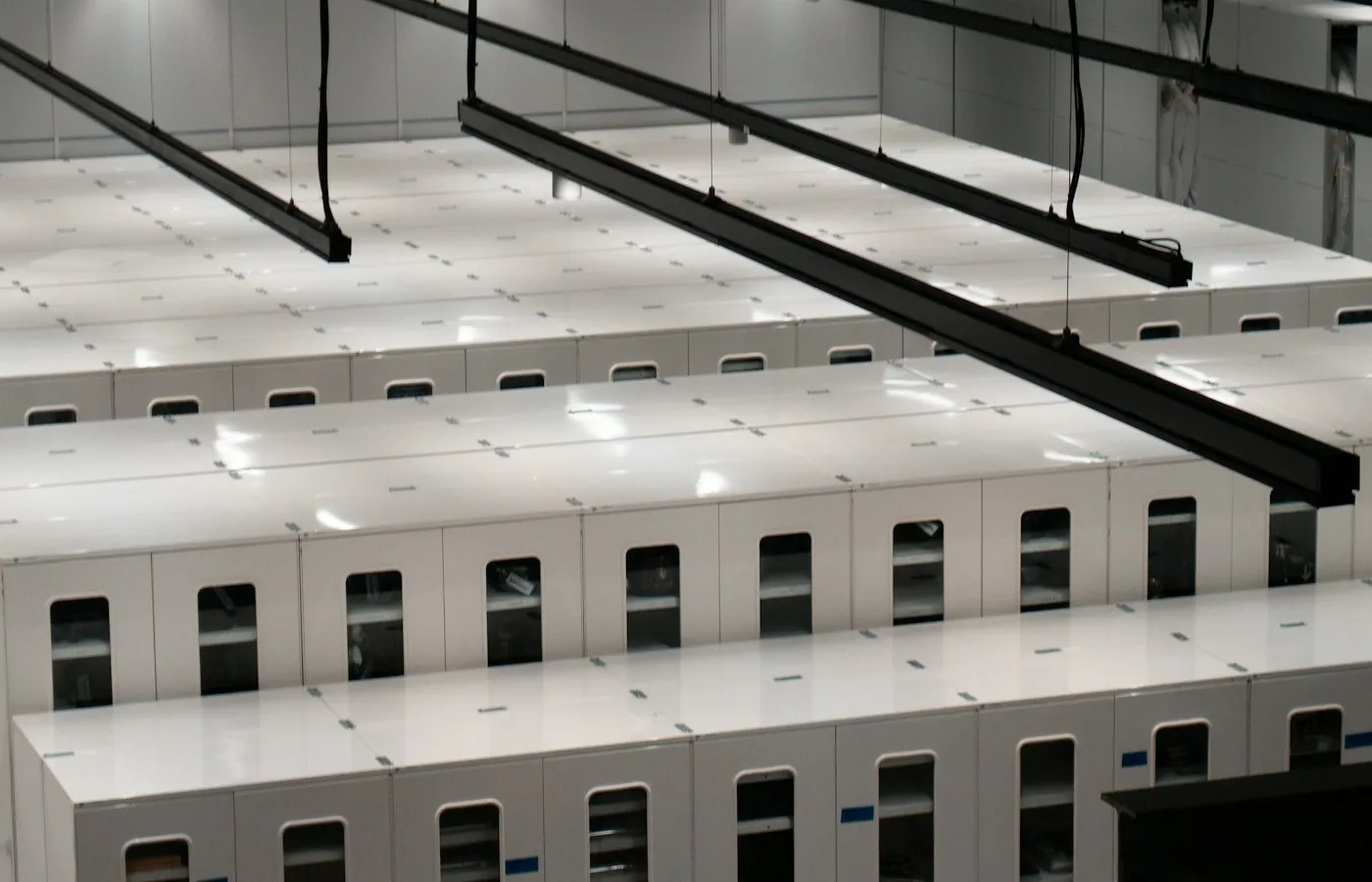
Mobility, storage, industry. Find the scope, data sources and use cases that match your batteries.



Open by design
Your batteries last.
Your data should too.
Keep control of your product data. Open infrastructure, portable passports and European hosting support a project built for the long term.
Explore our commitments ↗Your deployment
From your data to a working passport
- 01
Scope the project
Choose a product family, target markets and a data owner. Identify the applicable requirements and the gaps to close.
- 02
Connect and validate
Map an ERP/PIM export or API data to the passport, define identifiers and access rights, then check a representative sample.
- 03
Test before scaling
Verify publication, scanning, updates and data export. Agree acceptance criteria before expanding to more products.
What should we bring to the first meeting?
A battery catalogue sample, chemistry and category, manufacturing data sources, available lifecycle data and target volumes. We identify missing information and the parties responsible for it.
What determines the cost and timeline?
Product volumes, data quality, integrations, access rights and the services to activate. The pilot schedule and estimate are agreed after scoping; there is no universal price or delivery time.
Who owns the data and the compliance work?
Your teams and suppliers provide and validate source data. Arianee supports passport creation, validation and access. The economic operator retains its regulatory responsibilities.
How do we avoid being locked into one provider?
Include data export, identifier continuity, permissions and the migration process in the pilot acceptance criteria. Ask to see these operations with your own product sample.
Your batteries. Let’s talk about them.
François is our Battery Pass expert, working alongside industrial players worldwide to integrate DPP into their production lines and across the entire life of the product.

François Pujo
Industrial & Battery Project Manager
Loading the secure form…
What is a battery passport?
A battery passport is a digital record linked to an individual battery through a QR code. It brings together identification, technical characteristics and lifecycle information, with access rights that depend on the data and the reader’s role.
European Commission — Battery Passport ↗Which batteries need a passport, and when?
From 18 February 2027, the requirement covers LMT batteries, electric vehicle batteries and industrial batteries above 2 kWh placed on the EU market or put into service. The 2 kWh threshold applies to industrial batteries.
Regulation (EU) 2023/1542, Article 77 ↗Who is responsible for the battery passport?
The economic operator placing the battery on the market must ensure that the passport information is accurate, complete and up to date. A technology provider can support implementation; responsibility remains with the operator.
Regulation (EU) 2023/1542, Article 77(4) ↗How does Arianee support a battery passport project?
Arianee provides open infrastructure to create, manage and share digital product passports. Together, we map your battery data, define access rights and prepare deployment using the Passport Platform. François Pujo is your contact for industrial and battery projects.
Can I see the platform before starting a project?
Yes. Watch the battery data validation demo on this page, then request a conversation with François Pujo to discuss your products, data sources and deployment scope.
Regulatory sources checked on 10 September 2026.